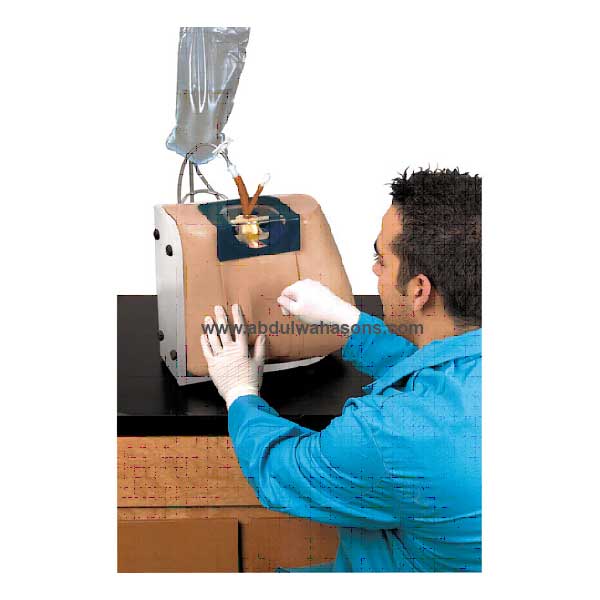
Spinal Injection Simulator
Product Description
The Life/form® Spinal Injection Simulator is a valuable training and teaching aid allowing realistic demonstration and practice of all spinal injections. Spinal injection techniques include spinal anesthesia, spinal tap, epidural analgesia, caudal analgesia, sacral nerve block, and lumbar sympathetic block. Excellent simulation qualities, in addition to an easy-to-change vertebral column and replaceable skin, make this Life/form® product the very best available. View theLife/form® Spinal Injection Simulator being used to demonstrate a Post Dura Puncture Headache (PDPH) prevention technique at
Related products
-
Deluxe Nurse Training Baby – Newborn
Product Description
This advanced and incredibly realistic model features internal organs (heart, lung, intestine system, stomach, and bladder), a removable belly covering, interchangeable genital organs, soft ears, and fully movable head, arms, and legs. It allows students to practice both basic and medical infant care such as tracheostomy care, male and female catheterization, insertion of stomach tube, and enema insertion, as well as femoral and gluteal intramuscular and subcutaneous injections. The fontanels can be palpated. Additionally, this model allows practice in dressing; changing; feeding simulation; navel care; mouth, ear, and nose cleaning; insertion of a rectal thermometer; and proper carrying techniques. Baby is 20-1/2″ long and weighs 6.63 lbs. Includes syringe, suction catheter, feeding tube, urinary catheter, urine collection bag, catheter lubricant, and a carrying bag.
-
Peter PICC Line
Product Description
The only available teaching model which permits the practice of placing Peripherally Inserted Central Catheter Lines (PICC Lines). The rapid acceptance and use of PICC Lines creates a need to be able to properly teach this procedure. Peter PICC Line™ allows both the teaching and assessment of this insertion technique. This portable teaching model has translucent arm skin that allows the visualization of the anatomically correct cephalic, basilic, and median basilic veins. The axillary jugular, subclavian, and superior vena cava veins are also present, plus a movable chin simulates the occlusion of the jugular to prevent the PICC Line from taking this path. Palpable ribs permit practice in measuring proper catheter length to the correct intercostal space. The model also permits the measurement of catheter length outside of the body and the confirmation of proper placement by viewing the distal tip of the catheter in the viewable superior vena cava. Replaceable, barely translucent arm skin allows visualization of underlying veins. Includes soft carrying case. A great tool for training and skill assessment. Blue veins are made of natural latex. Measures 17″ x 22″ x 5-1.2″.
-
Human Torso with Detachable Head
Product Description
A life-size human torso with interchangeable male and female genital organs with embryo in third month of pregnancy. Dissectible into 24 parts: head, half brain with arteries, eye with optic nerve, female breast cover, two lung halves, heart (2 parts), stomach (2 parts), liver with gallbladder, large intestine with appendix flap (3 parts), small intestine, kidney half, female genital organs (2 parts) with third month embryo, male genital organs (4 parts), and torso. Unbreakable plastic. 15″ x 10″ x 34″ mounted on base. Torso teaching guide included
-
Brad and Paul Compact CPR Training Manikins
Three economical CPR manikins are constructed of soft, realistic vinyl plastic over polyurethane foam for a human feel
Features include a large torso for realistic abdominal thrusts, realistic .head lift for opening airway, can easily be manipulated
To realistically simulate airway obstruction or choking situation, and a user-friendly lung/airway design that eliminates cleaning. Includes three mouth/nosepieces and three disposable lung / airway, system.choose either brad (white) or Paul (black) with nylon
Carry bag and kneeling pads .Order with electronic and receive an exterior console box that indicates proper hand position, adequate chest compression, and adequate air volume.

Reviews
There are no reviews yet.